

I recently came across two articles from one of my favorite sites, Upworthy. They both addressed the realities of parenting, and how social media can be deceiving and set unrealistic standards:
- Moms are sharing what real parenting looks like and everyone can relate to the unfiltered photos
- ‘Lazy’ mom of four shares a video of her incredibly messy home and parents love her for it
These hit on the head something I’ve been struggling with since becoming a mom. I saw all these posts online of perfect outfits, perfect meals, and perfect homes, and thought these were the standards I should strive for.
I am definitely guilty of staging photos, purchasing “insta-worthy” outfits, and taking a bunch of pictures just to get “the one”. I think a lot of young moms (who are active on social media) do it too. But I am beginning to recognize the negative impact of this approach, and want to commit to unlearning some behaviors. As a recovering perfectionist, I know I have some personal work to do to minimize my role in perpetuating these unrealistic standards.
To that end, I’d like to share some of my own pictures, unfiltered and a little more on the real side:








The problem with perfectionism
Often perfectionism is discussed as a positive trait. Folks might even tout it in an interview or on a resume. However there is a difference between being a healthy high achiever, and perfectionism. Brené Brown, a researcher and storyteller with two decades of experience studying courage, vulnerability, and shame, shares the following about perfectionism:
Perfectionism is not self-improvement. Perfectionism is, at it’s core, about trying to earn approval and acceptance. Most perfectionists were raised being praised for achievement and performance (grades, manners, rule-following, people-pleasing, appearance, sports). Somewhere along the way, we adopted this dangerous and debilitating belief system: I am what I accomplish, and how well I accomplish it. Please. Perform. Perfect. Healthy striving is self-focused – How can I improve? Perfectionism – is other focused – What will they think?
I have struggled with perfectionism for as long as I can remember. I judge myself on my outputs, am quick to feel a sense of failure, and often experience feelings of shame. And I know other parents out there feel the same.
A quick note on shame vs. guilt:
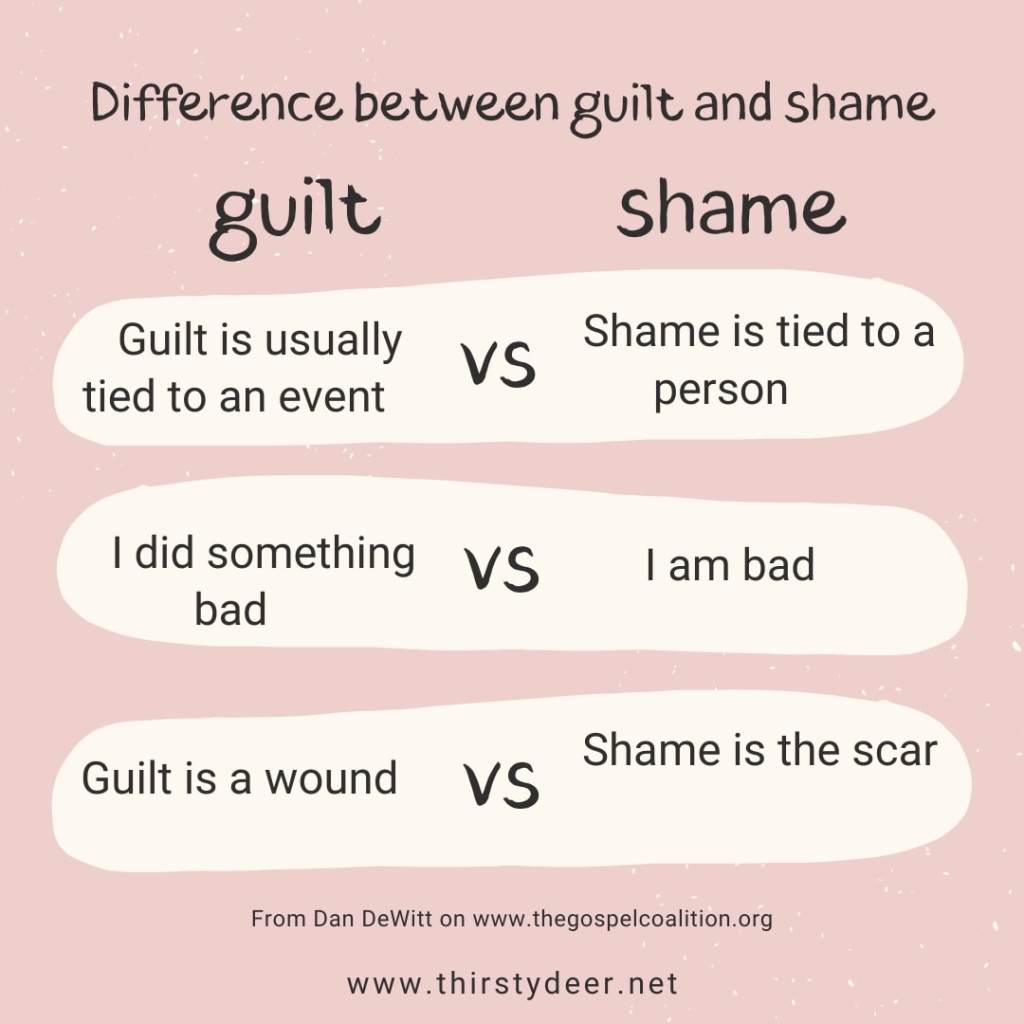
Both are hurtful, but if you find yourself experiencing a lot of shame, some intentional work around resilience may be in your future.
Battling Perfectionism
There are tons of resources on the web about overcoming perfectionism and shame. Some I found helpful are:
- How to Overcome Perfectionism (verywell mind)
- Brené Brown: “Where We Struggle with Perfectionism, We Struggle with Shame.” (The Quote of the Day Show)
- How to Overcome Perfectionism: 12 Tips for Success (Choosing Therapy)
There are two pieces of advice that resonate the most with me around perfectionism:
- Fostering self-compassion
- Shifting to a positive mindset
As someone who has a default negative filter, I struggle to find the positives. I’m also my harshest critic, so defeating perfectionism requires me to forgive myself often.
Practicing Self-Compassion
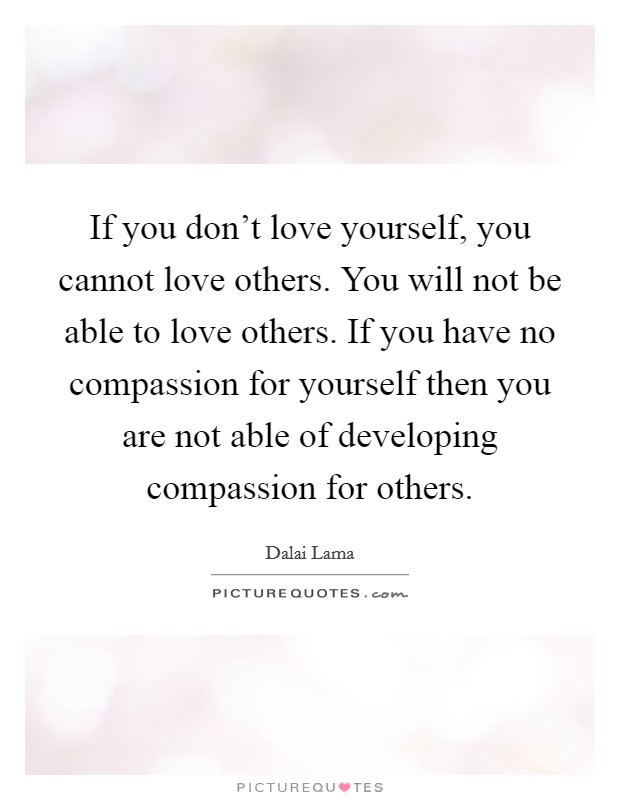
Having self-compassion means being able to forgive yourself, accept yourself, and love yourself. For some, this may seem like a tall order. Fortunately (for myself and others) these behaviors can be learned.
PositivePsychology.com offers 5 Ways to Practice Self-Compassion:
- Practice forgiveness
- Employ a growth mindset
- Express gratitude
- Find the right level of generosity
- Be mindful
Like all habits, these take time to integrate into our lives. Personally, I like to use apps to help keep me on track. It still takes intentionality to practice these behaviors, but I find an app makes it more structured and easier to follow through.
Here are some of my favorites to help build healthy habits, including self-compassion:
And if you don’t dig those, here’s a list of the 13 Best Daily Positive Affirmations Apps for 2022.
I also recently got a tattoo, the center of which has a small heart. This serves as a reminder to love myself, and I’m reminded every time I see it. I’m not suggesting you run out and get a tattoo (I mean, you do you), but this is certainly one method that has helped me.

Ditching the Negative Filter
A negative filter can play a huge role in perfectionism, and studies actually show that positive thinking has a variety of health benefits.
The Mayo Clinic offers a great article on positive thinking, including providing examples of reframing from negative to positive:
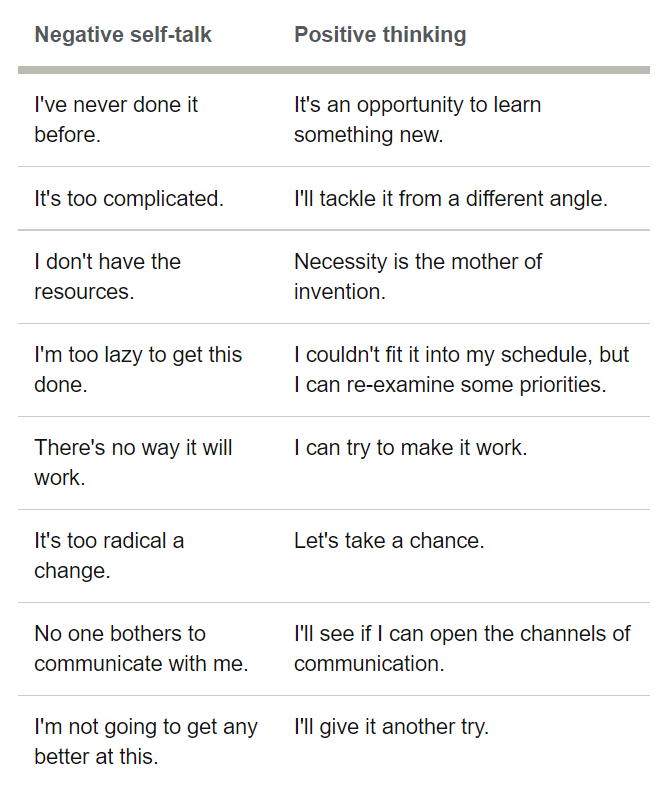
It also offers some solutions for how to focus on the positive:
- Identify areas to change
- Check yourself
- Be open to humor
- Follow a healthy lifestyle
- Surround yourself with positive people
- Practice positive self-talk
I feel so blessed that I’m easily able to surround myself with positive people. My husband is the polar opposite of me when it comes to default outlook, and he provides a great counterbalance. Everything else, requires a little work.
In Summary
Social media can be great. It’s a way to connect with others, especially during this pandemic. It’s a way to share your joys and successes, and vent about frustrations. However it can also be pretty damaging – setting unrealistic standards by which we automatically judge ourselves. Which is why it’s on us as humans to be intentional about how we consume social media, and how we work on our own disposition, filters, and behaviors. And as stated earlier, it is work. But it’s work that’s worthwhile, given what’s at stake.


Leave a comment